

You can be surrounded by people and still feel lonely.
You can have hundreds of Facebook friends, endless WhatsApp groups, and a diary full of work meetings, yet still find yourself wishing you had someone to call for a spontaneous coffee, a walk, or a weekend adventure.
If that sounds familiar, you’re far from alone.
In England, around 1 in 15 adults say they feel lonely often or always [ref], with millions more experiencing loneliness at least some of the time. While the numbers have improved slightly since the pandemic, loneliness remains one of the biggest challenges facing modern life.
Why are so many people lonely?
Life changes.
It’s as simple – and as complicated – as that.
Many people join Social Circle after experiencing one of life’s transitions:
- Moving to a new city
- Divorce or separation
- Children leaving home
- Retirement
- Friends becoming busy with family life
- Working remotely or running their own business
Making friends as adults isn’t impossible, but it is different.
At school, university or in our twenties, friendships happen naturally because we’re regularly surrounded by the same people. As we get older, those opportunities become fewer, and building new friendships requires more intention.
Social media isn’t the same as social connection
We’re more connected digitally than at any point in history.
Yet many people feel more disconnected than ever.
Scrolling through other people’s lives can create the illusion that everyone else is constantly socialising while we’re sitting at home. Online connections can be important but they rarely replace the feeling of laughing together over dinner, exploring somewhere new, or sharing an experience in person.
Real friendships are built through shared experiences – not just shared screens.
The health benefits of friendship
Research consistently shows that strong social connections can improve mental wellbeing, reduce stress, boost confidence and even benefit physical health. Chronic loneliness has been linked to poorer health outcomes, which is why governments and health organisations increasingly recognise social connection as an important part of overall wellbeing.
The good news?
Loneliness isn’t permanent.
One conversation, one event or one new friendship can completely change how connected you feel.
Taking the first step is often the hardest
Almost everyone who joins Social Circle tells us the same thing:
‘I was nervous before my first event.‘
And that’s perfectly normal.
Walking into a room where you don’t know anyone takes courage. But here’s the secret…
Almost everyone else is feeling exactly the same.
They’re not looking for someone who’s the loudest or funniest person in the room. They’re simply hoping to meet genuine, friendly people who also want to get out, have fun and make new connections.
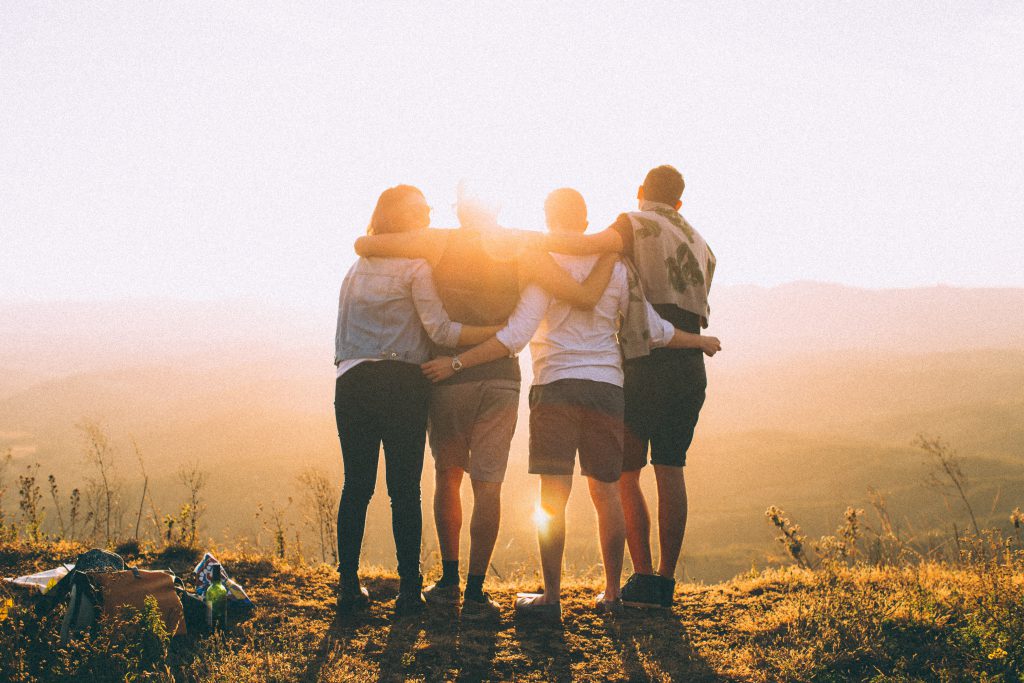
Friendship grows through shared experiences
That’s why Social Circle isn’t just about organising events.
It’s about creating opportunities for friendships to develop naturally.
Whether it’s a country walk, pub quiz, live music, paddleboarding, a city break, dining out or simply grabbing a coffee, spending time together gives people something real to connect over.
Before long, familiar faces become friends.
Friends become your social circle.
And weekends become something to look forward to again.

You don’t have to do life alone
If you’ve been telling yourself you’ll “get out more one day”, consider this your sign.
Friendship doesn’t usually arrive by accident, it grows when we put ourselves in places where connection can happen.
For nearly 20 years, Social Circle has helped thousands of people across the North West build genuine, lasting friendships through fun, relaxed social events.
If you’re feeling lonely, you’re not broken.
You’re human.
And your next friendship could be just one event away.
Ready to meet new people? Browse our upcoming events and discover how easy it can be to become part of a welcoming community.
